Social Media and Public Perception of Peptides

How Do People Encounter Peptides?
Many individuals encounter peptide therapeutics not through traditional clinical guidelines, journal articles, or discussions with medical professionals; but through influencer content, personal testimonials, short-form videos, and various forms of electronic word-of-mouth. This spread of information significantly impacts how these complex topics are understood by the public.
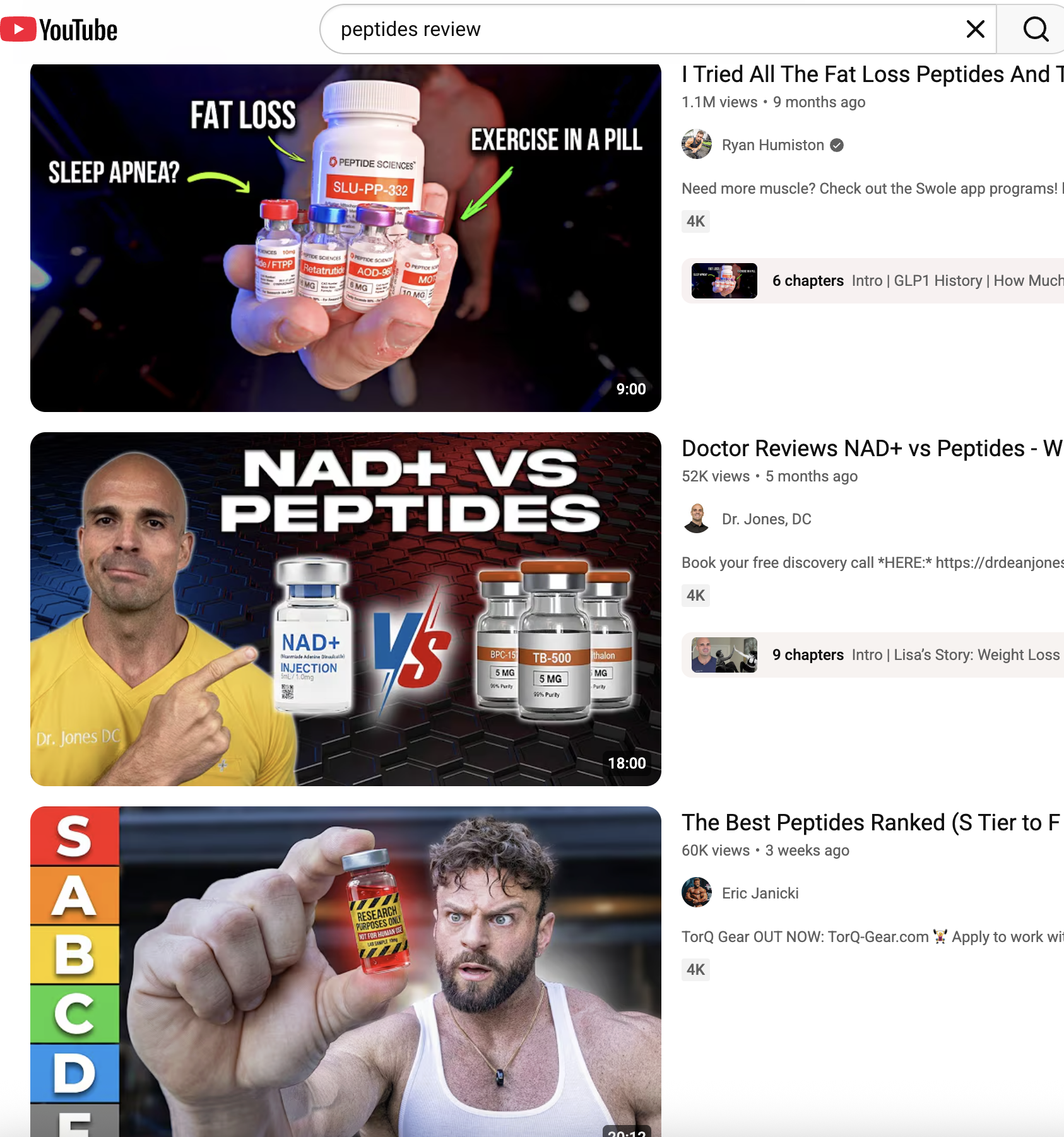
How Do These Online Spaces Reshape Scientific Information?
In digital environments, scientific language is often mixed with personal experiences, recommendations, and strong visual or emotional appeal. This blend of information can make it challenging to distinguish between facts and fiction. Because persuasiveness often travels faster than caution, a peptide with robust clinical backing might be viewed the same as a research compound with much weaker evidence. When this happens, differences in safety, legitimacy, and efficacy begin to blur.

Bridging the Communication Gap
One of our goals is to counteract the "social media bias" by rooting our information in scientific evidence. While social media often prioritizes confidence over credibility in discussions about peptides, this website aims to combine the accessibility of short-form content with verifiable facts. We believe that addressing the communication problem is a crucial step in understanding the broader challenges surrounding peptide therapeutics.